

Train with Leading International Veterinarians!

Start with the webinar by Hamish Glover | BVSc MRCVS

Postgraduate in Small Animal Neurology

Obtain your credential - PgCert. Neuro. ifevet

Start date

7th February 2026

Modality

Streaming

ECTS Credits

30 ECTS credits

Number of modules

12 modules

Number of students

36 students

With our Postgraduate in Neurology

You will learn the same protocols used by board-certified veterinarians and leading veterinarians.

You’ll gain hands-on experience with real clinical cases.

You will develop evidence-based work habits grounded in solid scientific principles.

You will continue to grow professionally as a veterinarian.

SPEAKERS

ANE URIARTE

DVM, MRCSV, DipECVN, EBVS® European Specialist in Veterinary Neurology and RCVS Specialist in Veterinary Neurology | Director of the Neurology Postgraduate course

Read more

ANNA SUÑOL

Lda Vet, Dipl ECVN, SFHEA, MRCVS, EBVS® European Specialist In Veterinary Neurology And RCVS Specialist In Veterinary Neurology

Read more

Sebastien Behr

DVM (Hons) DipECVN MRCVS, EBVS® European Specialist in Veterinary Neurology, RCVS Specialist in Veterinary Neurology, Head of Neurology- neurosurgery Willows Referral, Neurology Consultant Vet3D

Read more

Holger Volk

DVM, PGCAP, PhD, DipECVN, FHEA, FRCVS, EBVS® European Specialist in Veterinary Neurology and RCVS Specialist in Veterinary Neurology

Read more

Alex Forward

BVSc MSc MVetMed DipECVN MCRVS EBVS® European Specialist in Veterinary Neurology and RCVS Specialist in Veterinary Neurology

Read more

Sophie Wyatt

BVetMed(Hons) MVetMed DipECVN MRCVS, EBVS® European Specialist in Veterinary Neurology and RCVS Specialist in Veterinary Neurology

Read more

Elsa Beltrán

LV, Dipl ECVN, PGCertVetEd FHEA, MRCVS, EBVS® European Specialist in Veterinary Neurology and RCVS Specialist in Veterinary Neurology

Read more

Tim Bentley

BVSc (Dist), DACVIM (Neurology), MRCVS, EBVS® European Specialist in Veterinary Neurology and RCVS Specialist in Veterinary Neurology
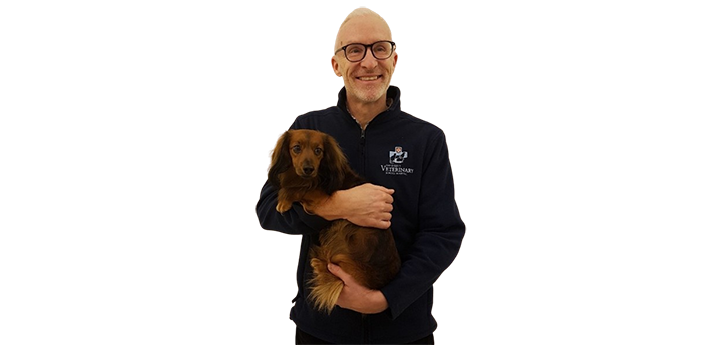

Read more

Paul Freeman

Dip ECVN EBVS® European Specialist in Veterinary Neurology

Read more

Bruno Lopes

DVM, DipECVN, MRCVS, EBVS® European Specialist in Veterinary Neurology and RCVS Specialist in Veterinary Neurology

Read more

Nick Grapes

BVetMed(hons) MVetMed PGDipVCP DipECVN MRCVS European Specialist in Veterinary Neurology

Read more

Susana Monforte-Monteiro

DVM, MSc, MRCVS, CertAVP PGCertVPS DipECVN AFHEA

Read more

PROGRAMME

MODULE 1: The neurological examination and localization

Date: 7th February 2026

Modality: Streaming

Competencies and objectives:

  • Establish the fundamentals of neuroanatomy in dogs and cats.
  • Describe and interpret a comprehensive neurological examination, emphasizing differences between dogs and cats.
  • Localise a lesion within the CNS and provide a differential diagnosis based on the VITAMIND framework.

Module Summary:

  • The Neurological Examination.
  • Localization of Spinal Lesions.
  • Localization of Intracranial Lesions.
  • Differential Diagnosis Based on VITAMIND.

Speaker: Elsa Beltrán

MODULE 2: Peripheral Nervous System

Date: 8th February 2026

Modality: Streaming

Competencies and objectives:

  • Describe and interpret the neurological examination in patients with peripheral nervous system disorders.
  • Understand diagnostic methods for patients affected by the peripheral nervous system.
  • Differentiate the most common diseases of nerves, muscles, and neuromuscular junctions, including their diagnosis, treatment, and prognosis.

Module Summary:

  • Neurological examination of the peripheral nervous system.
  • Complementary test for peripheral nervous system diseases.
  • Most common nerve diseases.
  • Most common neuromuscular junction diseases.
  • Most common myopathies.
  • Clinical cases study.

Speaker: Ane Uriarte

MODULE 3: Epilepsy and Movement disorders

Date: 7th March 2026

Modality: Streaming

Competencies and objectives:

  • Understand epilepsy classification and clinical presentation.
  • Identify long-term versus emergency treatment for epileptic seizures.
  • Differentiate between epileptic seizures and paroxysmal dyskinesias, including their treatment and prognosis.

Module Summary:

  • Epilepsy: Clinical Presentation and Classification.
  • Epilepsy Treatment.
  • Movement Disorders.

Speaker: Holger Volk

MODULE 4: Diagnostic methods

Date: 8th March 2026

Modality: Streaming

Competencies and objectives:

  • Understand cerebrospinal fluid function and its diagnostic utility.
  • Understand the differences between advanced imaging procedures when studying the spine and the brain, including when to choose CT versus MRI and how to interpret them.

Module Summary:

  • Cerebrospinal Fluid: Technique and Interpretation.
  • CT Scan vs MRI in the Spine.
  • CT Scan vs MRI in the Brain.
  • Interactive Clinical Cases.

Speaker: Anna Suñol

MODULE 5: Emergency

Date: 18th April 2026

Modality: Streaming

Competencies and objectives:

  • Stabilisation of the neuro-emergency patient.
  • Recognising and treating status epilepticus in dogs and cats.
  • Treatment approach to the traumatised spine and brain.

Module Summary:

  • Introduction to neurological emergencies including assessment and stabilisation.
  • Cluster seizures and SE.
  • Traumatic brain and spinal injuries.
  • Acute encephalopathies, including vestibular disease.
  • Clinical cases.

Speaker: Sophie Wyatt

MODULE 6: Brain disorders: vascular, inflammatory, Metabolic and Toxic

Date: 19th April 2026

Modality: Streaming

Competencies and objectives:

  • Recognize the clinical presentation of a stroke and discuss treatment and prognosis.
  • Understand the most common inflammatory brain diseases in dogs and cats, including their treatment.
  • Recognize and treat metabolic encephalopathies.

Module Summary:

  • Vascular encephalopathies: ischemic and haemorrhagic.
  • Immune-mediated encephalitis.
  • Infectious brain disorders (including ear infections).
  • Metabolic and toxic encephalopathies.

Speaker: Bruno Lopes

MODULE 7: Neuro-oncology

Date: 16th May 2026

Modality: Streaming

Competencies and objectives:

  • Identify the differences in presentation, diagnosis, and treatment of cancer in the brain or spine.
  • Clinical case presentation with decision making.

Module Summary:

  • Brain tumour classification and clinical presentation.
  • Brain tumour diagnosis and symptomatic therapy.
  • Brain tumour treatment.
  • Spinal/nerve tumour classification and clinical presentation.
  • Spinal tumor treatment.
  • Clinical cases.

Speaker: Tim Bentley

MODULE 8: Myelopathies: Vascular, inflammatory and Degenerative myelopathy

Date: 17th May 2026

Modality: Streaming

Competencies and objectives:

  • Clinical presentation, diagnosis and prognosis of vascular versus inflammatory myelopathies.
  • How to treat the challenging discospondylitis.
  • The most common spinal cord diseases in cats.
  • Clinical case discussion.

Module Summary:

  • Vascular myelopathy.
  • Inflammatory and infectious diseases of the spine.
  • Degenerative myelopathy: clinical presentation and differential diagnosis.
  • Interactive clinical cases.

Speaker: Alex Forward

MODULE 9: Myelopathies: Anomaly and LS disease

Date: 13th June 2026

Modality: Streaming

Competencies and objectives:

  • Presentation of the most common vertebral malformation with their clinical signs, epidemiology and treatment.
  • Understand the lumbosacral syndrome and it’s challenging presentation.

Module Summary:

  • AA luxation.
  • Articular process dysplasia and SAD.
  • Lumbosacral: clinical presentation, treatment, and prognosis.

Speaker: Sebastien Behr

MODULE 10: Brain disorders: Congenital and developmental brain diseases, inherited and degenerative

Date: 14th June 2026

Modality: Streaming

Competencies and objectives:

  • Present the most relevant congenital brain diseases for daily clinical practice.
  • Physiopathology and clinical presentation of Hydrocephalus and Chiari-Like malformation.
  • Diagnostic approach of storage diseases with a focus on Lafora disease, neuronal ceroid lipofuscinosis, and metabolic diseases like L-2-HGA.
  • Understand age-associated cognitive decline.

Module Summary:

  • CSF disorders – hydrocephalus and supracollicular fluid collection.
  • CSF disorders – Canine Chiari and syringomyelia.
  • Neuropathic pain: Management of Canine Chiari and syringomyelia.
  • Inherited brain diseases.
  • Canine/Feline dementia.
  • Congenital brain disorders.

Speaker: Susana Monforte-Monteiro

MODULE 11: Disc disease and caudal cervical spondylomyelopathy

Date: 11th July 2026

Modality: Streaming

Competencies and objectives:

  • Define the different types of disc herniations and their treatment.
  • Understand the different types of caudal cervical myelopathies and their treatment and prognosis.

Module Summary:

  • Intervertebral disc disease: classification and clinical presentation PF.
  • IVDD: Diagnostic techniques, treatment, and prognosis PF.
  • Caudal cervical spondylomyelopathy.

Speaker: Paul Freeman

MODULE 12: Final Review

Date: 12th July 2026

Modality: Streaming

Competencies and objectives:

  • Identify and integrate various. neurological diseases discussed during the postgraduate program based on clinical cases.

Module Summary:

  • Clinical cases neurological examination and localisation.
  • Clinical cases brain.
  • Clinical cases spine PF.

Farewell and conclusion of the postgraduate program.

Speaker: Nick Grapes

uk-institute-international-of-advanced-education

We provide ongoing training that ensures the development of veterinary knowledge and skills, allowing you to advance in your daily practice.

Contact

© Copyright 2020 - 2025 • IFEVET

We provide ongoing training that ensures the development of veterinary knowledge and skills, allowing you to advance in your daily practice.

Contact

© Copyright 2020 - 2024 • IFEVET